Everest Base Camp Trek & Everest Base Camp Gokyo Lake Trek: A Complete Guide to the Ultimate Himalayan Adventure

The Himalayas have long captured the imagination of travelers, adventurers, and dreamers across the world. Among the many trekking routes that wind through this majestic mountain range, two stand out as iconic journeys: the Everest Base Camp Trek and the Everest Base Camp Gokyo Lake Trek. These treks offer not only breathtaking scenery but also a deeply immersive cultural and physical experience that leaves a lasting impression on anyone who undertakes them.
This article explores both treks in detail, helping you understand their unique characteristics, differences, and why they are considered among the most rewarding trekking experiences on Earth.
Everest Base Camp Trek: The Classic Himalayan Journey
The Everest Base Camp Trek is one of the most famous trekking routes in the world. It attracts thousands of trekkers every year who wish to witness Mount Everest up close and experience the raw beauty of the Khumbu region in Nepal.
The journey typically begins with a thrilling flight to Lukla, a small mountain airstrip perched high in the Himalayas. From there, trekkers make their way through picturesque Sherpa villages such as Namche Bazaar, Tengboche, and Dingboche. Each step of the trail introduces you to a blend of natural beauty and cultural richness, with Buddhist monasteries, prayer flags, and friendly locals shaping the experience.
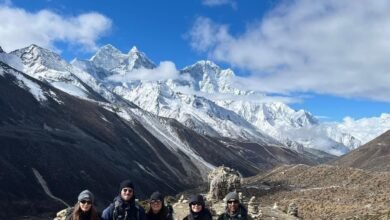
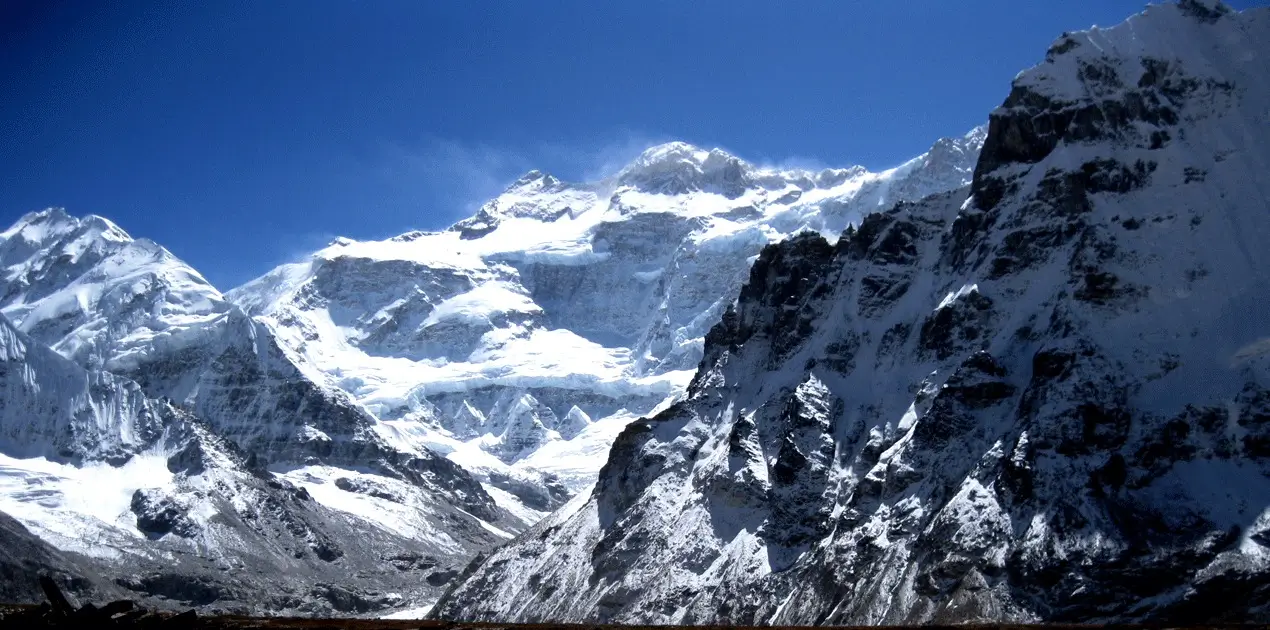
One of the highlights of the Everest Base Camp Trek is the gradual ascent that allows trekkers to acclimatize properly. This is crucial because the trek reaches elevations of over 5,300 meters. Along the way, trekkers are rewarded with panoramic views of some of the world’s tallest peaks, including Lhotse, Nuptse, and Ama Dablam.
Reaching Everest Base Camp itself is a moment of triumph. Standing at the base of the highest mountain on Earth, surrounded by glaciers and towering peaks, creates a sense of accomplishment that is hard to describe. Many trekkers also hike up to Kala Patthar, a nearby viewpoint that offers one of the best close-up views of Mount Everest.
The Everest Base Camp Trek is ideal for those who want a straightforward yet challenging trek with well-established routes, teahouses, and support systems. It is physically demanding but does not require technical climbing skills, making it accessible to a wide range of trekkers.
Everest Base Camp Gokyo Lake Trek: A Scenic and Less Crowded Alternative
While the Everest Base Camp Trek is the classic route, the Everest Base Camp Gokyo Lake Trek offers a more diverse and less crowded experience. This trek combines the traditional Everest Base Camp route with a detour through the stunning Gokyo Valley, known for its turquoise glacial lakes and panoramic viewpoints.
The Gokyo Lake trek introduces trekkers to a quieter side of the Everest region. Instead of following the main trail all the way, trekkers veer off toward the Gokyo Lakes, a series of high-altitude freshwater lakes that are considered sacred by both Hindus and Buddhists. The vivid blue waters of these lakes, set against a backdrop of snow-covered peaks, create a surreal landscape.
One of the most remarkable highlights of this trek is the ascent of Gokyo Ri. This viewpoint offers arguably the best panoramic view in the Everest region. From its summit, trekkers can see not only Mount Everest but also Cho Oyu, Makalu, and other towering peaks. Many trekkers consider this view even more impressive than Kala Patthar.
Another unique feature of the Everest Base Camp Gokyo Lake Trek is the crossing of the Cho La Pass. This high mountain pass adds an adventurous element to the journey, requiring trekkers to navigate icy terrain and steep ascents. While challenging, it is also incredibly rewarding and adds a sense of exploration to the trek.
After crossing the pass, trekkers reconnect with the main Everest Base Camp route and continue toward their ultimate goal. This combination of routes makes the Gokyo trek longer and more demanding than the standard Everest Base Camp Trek, but it also offers greater variety and fewer crowds.
Key Differences Between the Two Treks
Although both treks lead to Everest Base Camp, they differ in several important ways.
The Everest Base Camp Trek is more direct and follows a well-established path. It is easier to plan, has more infrastructure, and is generally considered more suitable for first-time high-altitude trekkers.
In contrast, the Everest Base Camp Gokyo Lake Trek is more adventurous and scenic. It includes additional highlights such as Gokyo Lakes and Cho La Pass, making it a more comprehensive exploration of the Everest region. However, it also requires a higher level of fitness and endurance.
Crowds are another factor to consider. The classic Everest Base Camp Trek can be quite busy, especially during peak seasons. The Gokyo route, on the other hand, offers a more peaceful experience, particularly in the early stages of the trek.
Physical and Mental Preparation
Both treks demand a good level of physical fitness. Trekkers should be prepared for long days of walking, often on steep and uneven terrain. Cardiovascular endurance, strength, and stamina are essential.
Acclimatization is another critical aspect. Altitude sickness can affect anyone, regardless of fitness level. Proper rest days, hydration, and gradual ascent are key to minimizing risks.
Mental preparation is equally important. Trekking in the Himalayas requires patience, resilience, and a positive mindset. Weather conditions can change rapidly, and the physical challenges can be intense. However, the rewards far outweigh the difficulties.
See also: Press-On Nails for Travel: Convenient and Stylish Nail Solutions
Cultural Experience and Local Life
One of the most enriching aspects of both treks is the opportunity to experience Sherpa culture. The Khumbu region is home to the Sherpa community, known for their mountaineering skills and warm hospitality.
Trekkers stay in teahouses run by local families, where they can enjoy traditional meals such as dal bhat, momos, and Tibetan bread. Visiting monasteries like Tengboche Monastery provides insight into the spiritual life of the region.
The combination of natural beauty and cultural immersion makes these treks more than just physical journeys—they become deeply meaningful experiences.
Best Time to Trek
The best seasons for both treks are spring (March to May) and autumn (September to November). During these periods, the weather is relatively stable, and the skies are clear, offering the best views of the mountains.
Winter treks are possible but extremely cold, while the monsoon season brings heavy rainfall and limited visibility.
Choosing the Right Trek for You
If you are looking for a classic Himalayan adventure with a clear path and strong support infrastructure, the Everest Base Camp Trek is an excellent choice. It provides a perfect balance of challenge and accessibility.
However, if you want a more diverse and less crowded experience with additional scenic highlights, the Everest Base Camp Gokyo Lake Trek is the better option. It offers a deeper exploration of the region and a greater sense of adventure.
Conclusion
Both the Everest Base Camp Trek and the Everest Base Camp Gokyo Lake Trek are extraordinary journeys that showcase the beauty and grandeur of the Himalayas. Whether you choose the classic route or the more adventurous Gokyo variation, you will be rewarded with unforgettable landscapes, cultural encounters, and a profound sense of achievement.