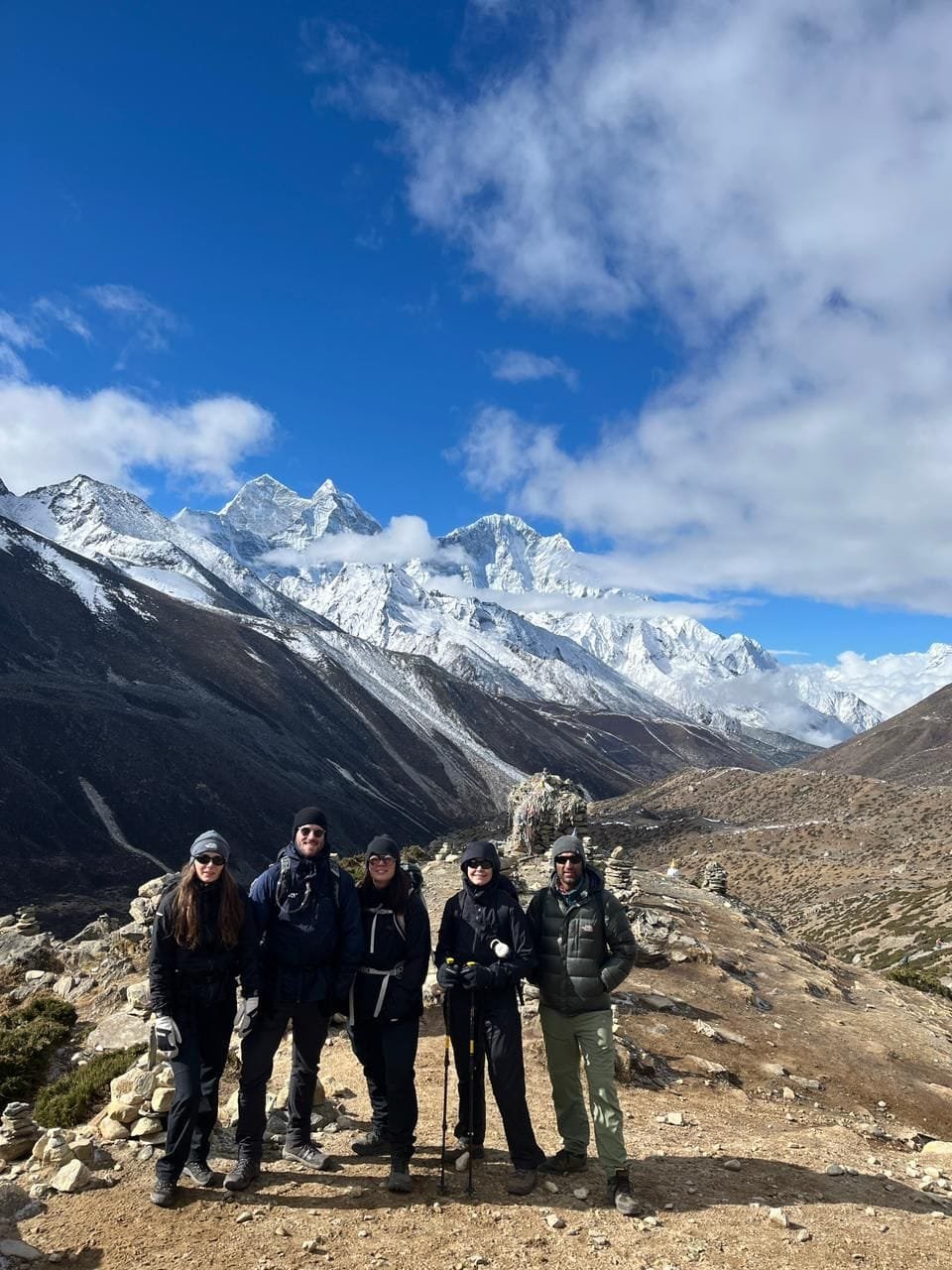

Nepal is a dream destination for travelers seeking breathtaking mountain landscapes, authentic Himalayan culture, and unforgettable outdoor adventures. Among its countless trekking and climbing destinations, Ganesh Himal Rubby Valley and Mera Peak stand out as two remarkable experiences that showcase different sides of the country’s natural beauty. While one offers a peaceful journey through remote villages and hidden valleys, the other challenges adventurers to reach one of the highest trekking peaks in the Himalayas.
Whether you are a nature enthusiast, an experienced trekker, or someone planning your first Himalayan adventure, these destinations provide memories that last a lifetime.
Discover the Beauty of Ganesh Himal Rubby Valley
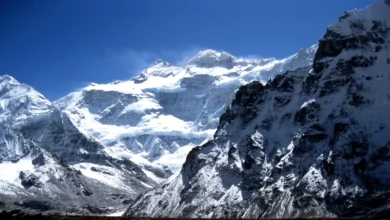
The Ganesh Himal Rubby Valley is one of Nepal’s best-kept secrets. Located between the Langtang and Manaslu regions, this spectacular valley is named after the Ganesh Himal mountain range, whose snow-covered peaks resemble the elephant-headed Hindu deity, Lord Ganesh.
The region remains untouched by mass tourism, making it an ideal destination for travelers who want to experience authentic Himalayan life away from crowded trekking trails. Traditional villages, terraced fields, dense forests, and crystal-clear rivers create an unforgettable landscape that changes with every step.
The valley is also famous for its naturally occurring rubies and other precious minerals, which inspired the name “Rubby Valley.” Although commercial mining is limited, the area’s geological richness adds a unique charm to the trekking experience.
Highlights of Ganesh Himal Rubby Valley
Visitors to Ganesh Himal Rubby Valley can enjoy numerous attractions, including:
- Stunning panoramic views of Ganesh Himal, Langtang, and Manaslu ranges
- Traditional Tamang and Gurung villages
- Natural hot springs for relaxation
- Diverse wildlife and colorful rhododendron forests
- Ancient monasteries and local cultural experiences
- Peaceful trails free from heavy tourist traffic
The combination of mountain scenery and cultural immersion makes this region perfect for travelers looking for an authentic Nepal adventure.
Best Time to Visit Ganesh Himal Rubby Valley
The ideal seasons for exploring Ganesh Himal Rubby Valley are spring (March to May) and autumn (September to November). During these months, the weather remains stable, skies are clear, and mountain views are exceptional.
Spring brings blooming rhododendrons that transform the hillsides into vibrant shades of red, pink, and white. Autumn offers crisp air, comfortable temperatures, and excellent visibility for photography and trekking.
Cultural Experience in Ganesh Himal Rubby Valley
One of the greatest attractions of Ganesh Himal Rubby Valley is its rich cultural heritage. Local communities have preserved their traditions for generations, welcoming visitors with warm hospitality and genuine smiles.
Trekkers can enjoy homemade local cuisine, observe traditional farming practices, participate in village festivals, and learn about Buddhist and Hindu customs that coexist harmoniously throughout the region.
This cultural connection transforms a simple trek into an enriching life experience.
Mera Peak: Nepal’s Highest Trekking Peak
For those seeking a greater challenge, Mera Peak offers one of the most rewarding climbing experiences in the Himalayas. Standing at 6,476 meters (21,247 feet), Mera Peak is recognized as Nepal’s highest trekking peak and is suitable for climbers with good physical fitness and basic mountaineering skills.
Unlike technical mountain expeditions, climbing Mera Peak focuses more on endurance than advanced climbing techniques, making it a popular choice for adventure travelers aiming to experience high-altitude mountaineering.
Why Choose Mera Peak?
Mera Peak provides one of the finest mountain panoramas in the world. From its summit, climbers can witness five of the world’s highest mountains:
- Mount Everest
- Lhotse
- Makalu
- Cho Oyu
- Kanchenjunga
Watching the sunrise illuminate these Himalayan giants is an unforgettable reward after days of trekking and climbing.
The Journey to Mera Peak
The adventure begins with a scenic flight to Lukla before following trails through peaceful forests, remote villages, and alpine landscapes. As trekkers gain altitude, the scenery gradually transforms from green valleys into glaciers and snow-covered mountains.
Proper acclimatization is an essential part of the itinerary, allowing climbers to adjust safely to increasing elevations before attempting the summit.
The final ascent usually starts before dawn, giving climbers enough time to reach the top while weather conditions remain favorable.
See also: Travel from Hurghada to Luxor for a Memorable Ancient Egypt Experience
Best Season for Mera Peak Climbing
Spring and autumn are considered the best seasons for climbing Mera Peak Stable weather, moderate temperatures, and clear mountain views create ideal conditions for a successful expedition.
Winter climbs are possible but require greater preparation due to extreme cold and snowfall, while the summer monsoon season presents additional challenges with rain and reduced visibility.
Physical Preparation for Mera Peak
Although Mera Peak is classified as a trekking peak, climbers should prepare thoroughly before the expedition.
Recommended preparation includes:
- Regular cardiovascular training
- Hiking with a loaded backpack
- Strength exercises for legs and core
- Endurance activities such as running or cycling
- Basic mountaineering practice using crampons and ice axes
Good fitness significantly increases both safety and enjoyment throughout the climb.
Ganesh Himal Rubby Valley vs. Mera Peak
Both destinations offer incredible Himalayan experiences but cater to different types of travelers.
Ganesh Himal Rubby Valley is perfect for those seeking peaceful trekking, cultural exploration, and natural beauty. The trails are less crowded, making it ideal for photographers, families, and travelers who appreciate authentic village life.
Mera Peak, on the other hand, attracts adventure seekers who dream of standing above 6,000 meters and witnessing some of the world’s highest mountains from a spectacular summit.
Many experienced travelers combine cultural trekking experiences like Ganesh Himal Rubby Valley with challenging climbing adventures such as Mera Peak to enjoy the best of Nepal.
Essential Travel Tips
Before visiting either destination, keep these tips in mind:
- Obtain the necessary trekking and climbing permits.
- Hire experienced local guides and porters for safety and cultural insight.
- Pack layered clothing suitable for changing mountain weather.
- Stay hydrated and maintain a gradual pace at higher elevations.
- Respect local customs, traditions, and the natural environment.
- Purchase comprehensive travel insurance that covers high-altitude trekking and climbing.
Responsible travel helps preserve these beautiful regions for future generations while supporting local communities.
Sustainable Tourism in Nepal
Both Ganesh Himal Rubby Valley and Mera Peak demonstrate the importance of sustainable tourism. Visitors contribute directly to local economies by staying in family-run teahouses, hiring local guides, and purchasing locally made products.
By following Leave No Trace principles and respecting local culture, travelers help protect fragile mountain ecosystems while ensuring tourism continues to benefit remote Himalayan communities.
Conclusion
Nepal offers countless adventures, but Ganesh Himal Rubby Valley and Mera Peak represent two truly exceptional journeys. One invites travelers into a hidden world of peaceful villages, lush forests, and rich cultural traditions, while the other challenges adventurers to conquer Nepal’s highest trekking peak and experience breathtaking Himalayan panoramas.