
Cruise ships are often associated with relaxation, entertainment, and exotic destinations. For passengers, the experience feels seamless. Behind the scenes, however, every voyage is the result of meticulous planning, rigorous safety standards, and highly coordinated operational management.
Modern cruise ships are essentially floating cities. They carry thousands of passengers and crew members, operate multiple restaurants and entertainment venues, manage power generation, water production, waste systems, navigation, and hotel services, and sail across international waters governed by strict maritime regulations. The scale of coordination required is immense.
Cruise line safety is not simply about lifeboats and emergency drills. It is about integrated systems that connect crew management, safety management systems, regulatory compliance, logistics, and passenger service. Understanding how cruise lines manage crew, safety, and operations at sea reveals the depth of professionalism that keeps the industry running smoothly.
What Cruise Lines Do to Ensure Smooth Operations at Sea?
Smooth operations at sea begin long before a ship leaves port. Cruise lines engage in detailed voyage planning, risk assessments, and logistical coordination.
Voyage Planning and Navigation
Each itinerary is carefully mapped using advanced navigational software and real time weather data. Bridge officers monitor sea conditions, traffic separation schemes, and port schedules. Ships are equipped with radar, GPS, electronic chart display systems, and automated identification systems to ensure safe navigation.
Weather routing services help ships avoid storms and heavy seas. Adjustments are made when necessary to prioritise safety while maintaining itinerary integrity as much as possible.
Logistics and Supply Chain Management
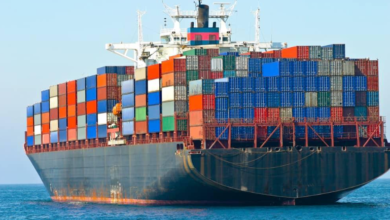
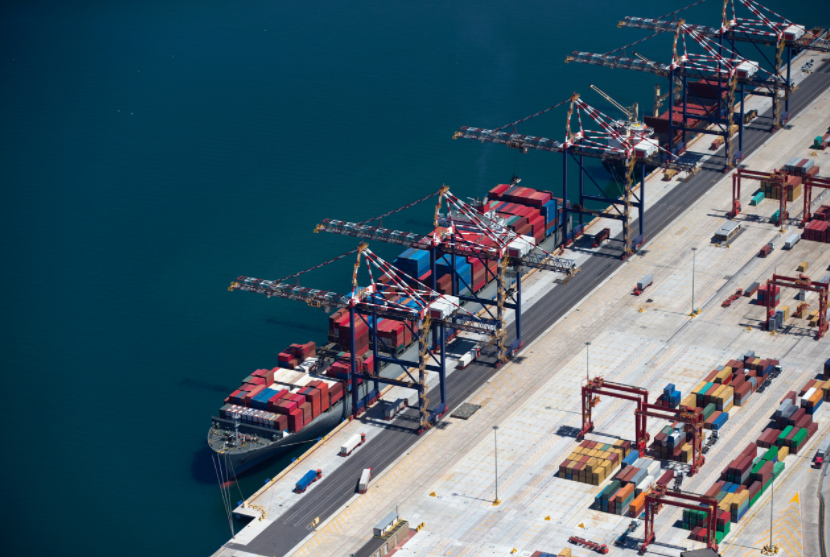
Cruise ships consume large quantities of food, fuel, water, and other supplies. Port calls are carefully scheduled to allow for efficient resupply operations. Many cruise lines use containerised logistics systems similar to commercial shipping operators. Efficient documentation and cargo tracking systems are essential to minimise delays. For further insight into how container and documentation systems enhance maritime efficiency, this article on enhancing efficiency with shipping containers and documentation provides valuable context.
Proper inventory control ensures that restaurants, medical centres, engineering departments, and hotel services remain fully operational throughout the voyage.
Departmental Coordination
Onboard operations are divided into three main divisions:
- Deck department – responsible for navigation and safety
- Engine department – responsible for propulsion and technical systems
- Hotel department – responsible for hospitality and guest services
These departments operate under a clear chain of command led by the Captain, supported by the Staff Captain, Chief Engineer, and Hotel Director. Daily operational meetings ensure coordination across departments.
Crew Management – Recruitment, Training, and Scheduling
Crew management is one of the most complex aspects of cruise operations. A single vessel may employ 800 to 2,000 crew members from dozens of nationalities.
Recruitment and Selection
Cruise lines recruit globally, sourcing specialised maritime professionals, hospitality staff, entertainers, and technical personnel. Officers and engineers must hold internationally recognised certifications under the Standards of Training, Certification and Watchkeeping for Seafarers convention.
For authoritative information on STCW requirements, the International Maritime Organization provides detailed guidance on global maritime standards.
Background checks, medical examinations, and competency assessments are standard before hiring.
Training and Continuous Development
Training does not stop once a crew member joins a ship. All crew must complete mandatory safety training, including firefighting, crowd management, survival craft operation, and first aid.
Cruise lines also conduct regular onboard drills. Fire and abandon ship drills are practised frequently to ensure preparedness. Bridge and engine officers undergo simulator training ashore to refine crisis management skills.
Hospitality staff receive additional training focused on customer service, cultural awareness, and emergency passenger assistance.
Scheduling and Fatigue Management
Maritime regulations strictly control work and rest hours. Crew scheduling systems track hours worked to ensure compliance and prevent fatigue. Adequate rest is critical for both safety and performance.
Rotation schedules vary by role but often involve contracts of several months followed by leave periods at home. Efficient scheduling ensures operational continuity while supporting crew wellbeing.
See also: Enhance Your Home’s Festive Look with Premium Rangoli Kits
Safety Management Systems Onboard
Every cruise ship operates under a formal Safety Management System in compliance with the International Safety Management Code. This framework requires documented procedures for safe operation, emergency preparedness, and environmental protection.
Risk Assessment and Prevention
Before each voyage, risk assessments are conducted to identify potential hazards. These include navigational risks, mechanical risks, health risks, and security risks.
Preventative maintenance systems monitor machinery performance and schedule repairs before failures occur. Engine control rooms use digital diagnostics to track fuel efficiency, temperature levels, and mechanical stress.
Emergency Preparedness
Emergency preparedness is central to cruise operations. Ships carry lifeboats and life rafts sufficient for everyone onboard. Muster drills are conducted at the start of each cruise so passengers know where to go in an emergency.
Onboard medical centres are staffed with qualified doctors and nurses. Many ships are equipped with telemedicine capabilities to consult shore based specialists when necessary.
Security teams monitor access control, surveillance systems, and onboard safety protocols to ensure passenger protection.
Regulatory Compliance
Cruise ships operate internationally and must comply with flag state regulations, port state inspections, and international conventions. The International Convention for the Safety of Life at Sea is one of the primary regulatory frameworks governing ship safety. Detailed information on SOLAS regulations can be found through the Safety of Life at Sea Convention page.
Regular inspections and audits ensure compliance. Ships that fail to meet standards can be detained in port, so adherence is non negotiable.
How Cruise Lines Manage Crew, Safety, and Operations at Sea
Managing crew, safety, and operations simultaneously requires integrated systems and strong leadership.
Leadership Structure
The Captain holds ultimate responsibility for the ship. However, effective management depends on collaboration between departments. Regular safety meetings, performance reviews, and operational briefings maintain alignment.
Crisis management teams are trained to respond rapidly to incidents ranging from medical emergencies to technical failures.
Technology Integration
Modern cruise ships rely heavily on technology to coordinate operations. Integrated bridge systems, engine monitoring software, crew management platforms, and passenger service systems are interconnected.
Digital dashboards allow senior officers to monitor operational performance in real time. Data analytics help predict maintenance needs and optimise fuel efficiency.
Passenger management systems track embarkation, disembarkation, and onboard purchases, helping maintain accurate manifests and security oversight.
Communication Systems
Reliable communication is essential at sea. Ships use satellite communication systems to stay connected with company headquarters, port authorities, and emergency services.
Clear communication protocols ensure that information flows quickly during routine operations and emergencies.
For travellers interested in understanding how maritime operations compare with private luxury experiences, this guide on how to book your first private yacht charter without the stress highlights differences in scale and operational planning between cruise ships and private charters.
How Cruise Lines Balance Safety, Crew, and Passenger Experience
Cruise lines must maintain an equilibrium between operational discipline and delivering an enjoyable guest experience.
Passenger Safety Without Disruption
Safety measures are designed to be visible enough to reassure passengers but not intrusive. Muster drills are mandatory yet organised efficiently to minimise disruption.
Crew members are trained to integrate safety awareness into daily interactions. For example, housekeeping staff are trained to identify fire hazards, while restaurant staff understand crowd flow management.
Crew Welfare and Morale
Crew welfare directly impacts service quality and safety. Cruise lines provide crew accommodation, recreational facilities, dining areas, and access to communication services.
Mental health support, fair contract terms, and onboard social activities contribute to morale. High morale reduces turnover and promotes a culture of accountability and teamwork.
Environmental Responsibility
Operational balance also includes environmental stewardship. Cruise lines invest in cleaner fuels, exhaust gas cleaning systems, advanced wastewater treatment, and waste reduction initiatives.
Compliance with environmental regulations protects marine ecosystems and strengthens public trust.
Conclusion
Cruise ships may symbolise leisure and exploration, but their successful operation depends on rigorous systems that manage crew, safety, and logistics with precision.
From global recruitment and structured training programmes to advanced safety management systems and integrated technology platforms, cruise lines operate within one of the most highly regulated environments in the world. Leadership, communication, and continuous improvement underpin every voyage.
By carefully balancing operational discipline with passenger experience and crew welfare, cruise lines ensure that journeys at sea remain safe, efficient, and enjoyable. The seamless holiday atmosphere passengers experience is the result of complex coordination working quietly in the background.
Frequently Asked Questions
How do cruise ships comply with international maritime regulations?
Cruise ships comply by adhering to international conventions such as SOLAS and the International Safety Management Code. They undergo regular inspections by flag states and port authorities. Crew members hold internationally recognised certifications, and ships maintain documented safety management systems to demonstrate compliance.
How is crew welfare maintained on cruise ships?
Crew welfare is supported through regulated work and rest hours, safe living accommodations, onboard recreational facilities, medical care, and mental health resources. Structured rotation schedules allow crew members to take leave between contracts, helping prevent fatigue and burnout.
What technology supports cruise ship operations?
Cruise ships use integrated bridge navigation systems, engine monitoring software, satellite communication systems, digital crew scheduling platforms, predictive maintenance tools, and passenger management systems. These technologies enhance safety, efficiency, regulatory compliance, and overall operational performance.